
Boost Software Efficiency with Software Performance Optimization

Software efficiency is more critical than ever. Users expect applications to be fast, reliable, and
scalable. Achieving this requires more than just writing clean code; it demands a strategic approach known as software performance optimization. This process ensures that software not only meets functional requirements but also performs optimally under various conditions. By focusing on performance engineering, businesses can deliver superior user experiences, reduce operational costs, and stay competitive.
Understanding Software Performance Optimization
Software performance optimization involves analyzing and improving the speed, responsiveness, and stability of software applications. It covers a wide range of activities, from identifying bottlenecks in code to optimizing system architecture and infrastructure. The goal is to ensure that software runs efficiently, even under heavy loads or complex operations.
Key aspects of software performance optimization include:
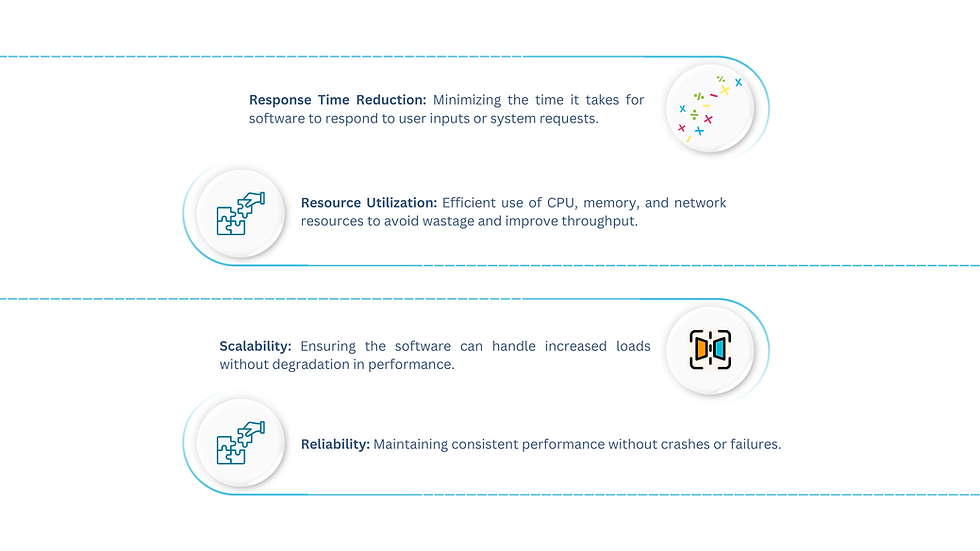
By focusing on these areas, developers and engineers can create software that not only meets but exceeds user expectations.
The Role of Performance Engineering in Software Optimization
Performance engineering is a proactive approach that integrates performance considerations throughout the software development lifecycle. Unlike traditional testing, which often focuses on functionality, performance engineering emphasizes early detection and resolution of performance issues.
This approach includes:
Performance Modeling: Predicting how software will behave under different conditions.
Load Testing: Simulating real-world usage to identify potential bottlenecks.
Profiling and Monitoring: Continuously tracking software performance to detect anomalies.
Optimization Techniques: Applying code refactoring, caching, and database tuning to enhance efficiency.
One of the significant benefits of performance engineering is its ability to reduce costly post-release fixes. By addressing performance early, teams can avoid delays and improve overall software quality.
For organizations looking to enhance their software’s efficiency, partnering with performance engineering services can provide expert guidance and tailored solutions.
Practical Strategies to Boost Software Efficiency
Implementing software performance optimization requires a combination of best practices and tools. Here are some actionable strategies to consider:

Early Performance Testing: Integrate performance tests into the development process from the start to catch issues early.
Optimize Algorithms: Use efficient algorithms and data structures to reduce processing time.
Implement Caching: Store frequently accessed data temporarily to reduce database hits.
Minimize Network Calls: Reduce the number of requests between client and server to lower latency.
Use Asynchronous Processing: Allow non-critical tasks to run in the background without blocking user interactions.
Monitor and Analyze Logs: Regularly review logs to identify and troubleshoot performance problems.
Automate Performance Testing: Use automated tools to run tests consistently and quickly.
By applying these strategies, teams can significantly improve software responsiveness and user satisfaction.
Enhancing Software Efficiency for Long-Term Success
Optimizing software performance is not a one-time task but an ongoing commitment. By adopting a performance engineering mindset and leveraging specialized services, businesses can ensure their software remains fast, reliable, and scalable. This leads to happier users, lower operational costs, and a stronger competitive edge.
Investing in software performance optimization today sets the foundation for future growth and innovation. Whether you are developing new applications or maintaining existing ones, prioritizing performance will pay dividends in the long run.
Frequently Asked Questions (FAQs)
What is the difference between performance testing and performance engineering?
Performance testing focuses on evaluating how a system behaves under specific conditions, usually at later stages of development. Performance engineering, on the other hand, is a proactive approach that integrates performance considerations throughout the entire software development lifecycle to prevent issues before they occur.
When should performance engineering be implemented in the SDLC?
Performance engineering should begin in the early design and architecture phase of the SDLC. Integrating performance modeling, early load testing, and continuous monitoring from the start helps reduce costly post-release fixes and ensures scalability.
How does performance engineering improve software scalability?
Performance engineering improves scalability by identifying bottlenecks early, optimizing algorithms, reducing latency, implementing caching strategies, and continuously monitoring system behavior. This ensures applications can handle increasing workloads efficiently without compromising speed or stability.


Comments